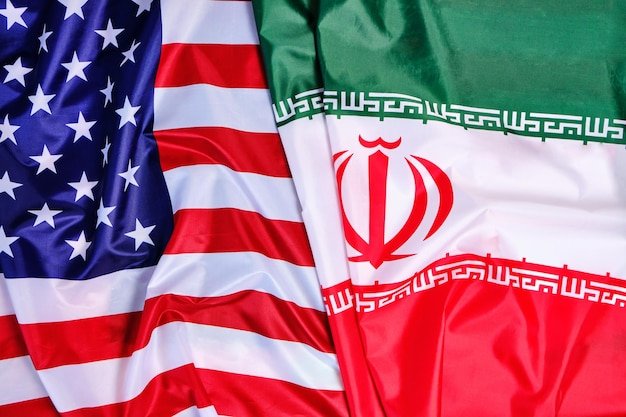
US x Iran permanent peace deal by...?
May 15May 31June 30December 31The simulation results indicate that the most likely outcome for a US-Iran permanent peace deal is December 31, with 44% of the votes. This outcome is driven by the belief that Iran will resist US pressures to maintain sovereignty, and that any significant dismantling of Iran's network will require substantial time for verification. The crowd pricing for December 31 is notably higher at 73%, suggesting that market participants are even more confident in this delayed outcome compared to the agents. The June 30 outcome, with 26% of the votes, reflects a strategic pause that benefits both sides, aligning with some agents' views on maintaining high tensions while appearing to pursue peace. The earlier dates, May 15 and May 31, received fewer votes, indicating skepticism about rapid resolutions due to internal power struggles in Iran and the complexity of negotiations.